Fight-Week Sleep Engineering: The Missing Edge in MMA
In the demanding world of mixed martial arts, the impact of sleep often gets overlooked amidst discussions of strength, conditioning, and nutrition. However, sleep plays a critical role in crucial aspects of fighter performance, including reaction time, metabolic regulation, tissue repair, and emotional stability. Neglecting sleep, particularly during the stressful period of fight week, can lead to a fighter appearing diminished, a phenomenon often misattributed solely to cardio issues.
The true objective is not simply to sleep more, but to strategically manage sleep timing and protect deep sleep stages, even when external factors are disruptive. Fighters often fall short of the recommended 7-9 hours of sleep per night, precisely when cognitive and metabolic precision are most vital. The combination of travel, early check-ins, heightened adrenaline, dehydration from weight cuts, and late-night screen use can significantly disrupt the body's natural circadian rhythm, leading to fragmented sleep.
Fragmented sleep, even with adequate total time in bed, severely impacts slow-wave sleep, which is essential for physical recovery and immune function. This can manifest as persistent fatigue, heavy limbs, poor pacing during sparring, and increased irritability. Fight week also exacerbates physical discomforts, sometimes leading fighters to experiment with unproven recovery compounds. Prioritizing fundamental practices like consistent sleep schedules, adequate hydration, and proper carbohydrate timing will yield more significant benefits than many experimental additions.
The weight cut process itself creates a challenging environment for sleep. Low glycogen stores, elevated stress hormones, and the effects of aggressive water loading or rehydration can lead to hyperarousal, where the body is physically exhausted but the nervous system remains on high alert. A common behavioral pitfall is pushing intense training and sauna sessions late into the day, followed by an immediate attempt to fall asleep. This prevents the body's core temperature and heart rate from normalizing, resulting in poor sleep quality despite exhaustion.
To improve nighttime sleep during fight week, it is advisable to complete strenuous weight-cutting activities, such as excessive sweating, earlier in the day. This allows sufficient time for the body to regulate its temperature and heart rate before bedtime. While a warm shower close to bedtime can initially raise core body temperature, it can aid in a subsequent drop, promoting sleep onset, but adequate time is needed for this effect.
Three key factors can be manipulated to optimize sleep: light exposure, caffeine intake, and carbohydrate consumption. Light is the primary regulator of circadian timing. During fight week, consistent exposure to dim indoor lighting throughout the day, followed by bright screen use at night, can shift the sleep schedule later and induce a jet lag-like feeling. To counter this, seeking bright outdoor light for 10-20 minutes early in the day, such as after breakfast, can help synchronize the circadian rhythm. At night, reducing overhead lighting and dimming the environment signals to the brain that it is time to wind down.
Caffeine's half-life typically ranges from 5 to 6 hours, meaning afternoon coffee can still interfere with sleep later that night. During fight week, caffeine should be used strategically rather than habitually. It is recommended to establish a strict cutoff time at least 8 hours before bed, or earlier for individuals sensitive to its effects.
Carbohydrates, often overlooked, can be a valuable tool. Following a weight cut and weigh-in, a moderate carbohydrate meal in the evening can help some athletes fall asleep more quickly by influencing serotonin and melatonin pathways, especially under stress. This is not an invitation for overeating but a performance strategy to replenish energy stores, calm the system, and facilitate sleep.
Pre-fight nerves and adrenaline can cause insomnia. While the anticipation of a fight cannot be entirely eliminated, it is important to avoid exacerbating the anxiety. Maintaining a consistent wind-down routine, even if sleep is imperfect, is crucial. If unable to fall asleep after approximately 20 minutes, it is better to leave the bed and engage in a quiet, low-light activity until sleepiness returns. Staying in bed while feeling wired can create a negative association between the bed and stress.
Breathing exercises can be beneficial, but they should not be approached as another performance metric. Focusing on slow exhales can help downregulate the arousal system, leading to a greater sense of calm. The goal is to feel more settled, not to achieve a specific physiological metric.
On fight night, observant fans might notice subtle indicators of sleep debt in fighters. These can include glassy eyes, a muted emotional response, an unusually heightened or agitated energy, or general irritability. Sleep deprivation can manifest as premature overaggression, poor fight pacing, and defensive lapses after sustained exchanges. While the fighter may be physically prepared, their cognitive function may be impaired.
Optimizing sleep during fight week is not a glamorous aspect of MMA preparation. It involves disciplined control of fundamental practices when the fight week schedule, the weight cut, and the surrounding hype attempt to derail them. In a sport where victory is often decided by fractions of an inch or seconds, this rigorous attention to sleep is not merely about well-being; it is a significant competitive advantage.
Fresh materials — PFL news

Kenny Cross Eyes Statement Win in Muay Thai Debut
Kenny Cross is set to make his Muay Thai debut against James Barney at MMT 11 on November 7. Cross shared his thoughts on the upcoming fight and his previous bout against Salahdine Parnasse, as well as the PFL-MVP merger. Regarding his new opponent, Cross stated, "He's either going to get p
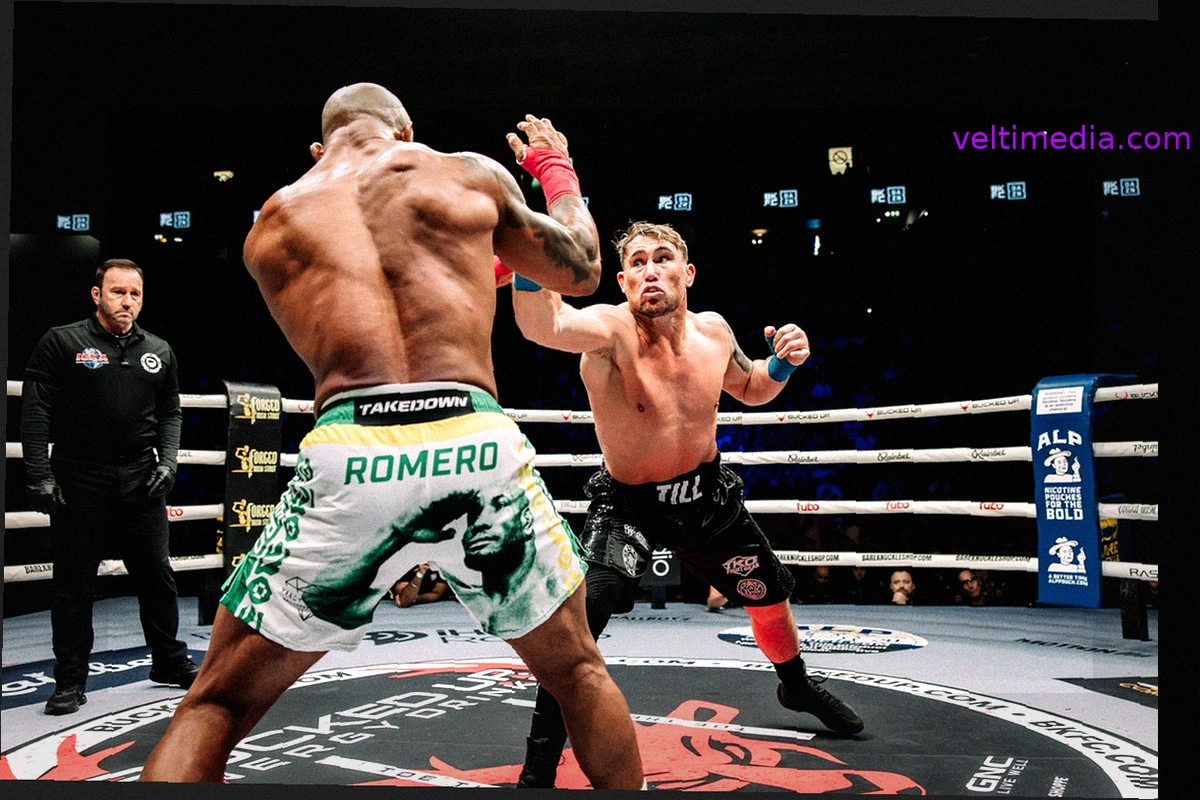
Darren Till Dominates Yoel Romero at BKFC 94
Darren Till defeated Yoel Romero via unanimous decision at BKFC 94 in Manchester, UK. The fight, held on Saturday night, saw Till win before a sold-out crowd of 15,894 at the AO Arena. All three judges scored the bout 49-46 for Till, who now holds a 2-0 record in BKFC. Romero, a former Olympic

UFC 334: Gane vs. Hokit Headlines Madison Square Garden Return with Championship Doubleheader
UFC is back at Madison Square Garden in New York City for an event highlighted by two championship fights. In the main event, undisputed UFC heavyweight champion Ciryl Gane makes his first title defense against No. 4 ranked contender Josh Hokit. The co-main event pits reigning bantamweight cha

The Journey of a Slot Game: From Studio to Casino Floor
When you choose a slot machine in a casino, it's easy to think the casino itself created, owns, and operates that game, much like a shop might sell its own products. However, the game you play has undergone a long, often unseen journey, involving several independent companies before its first
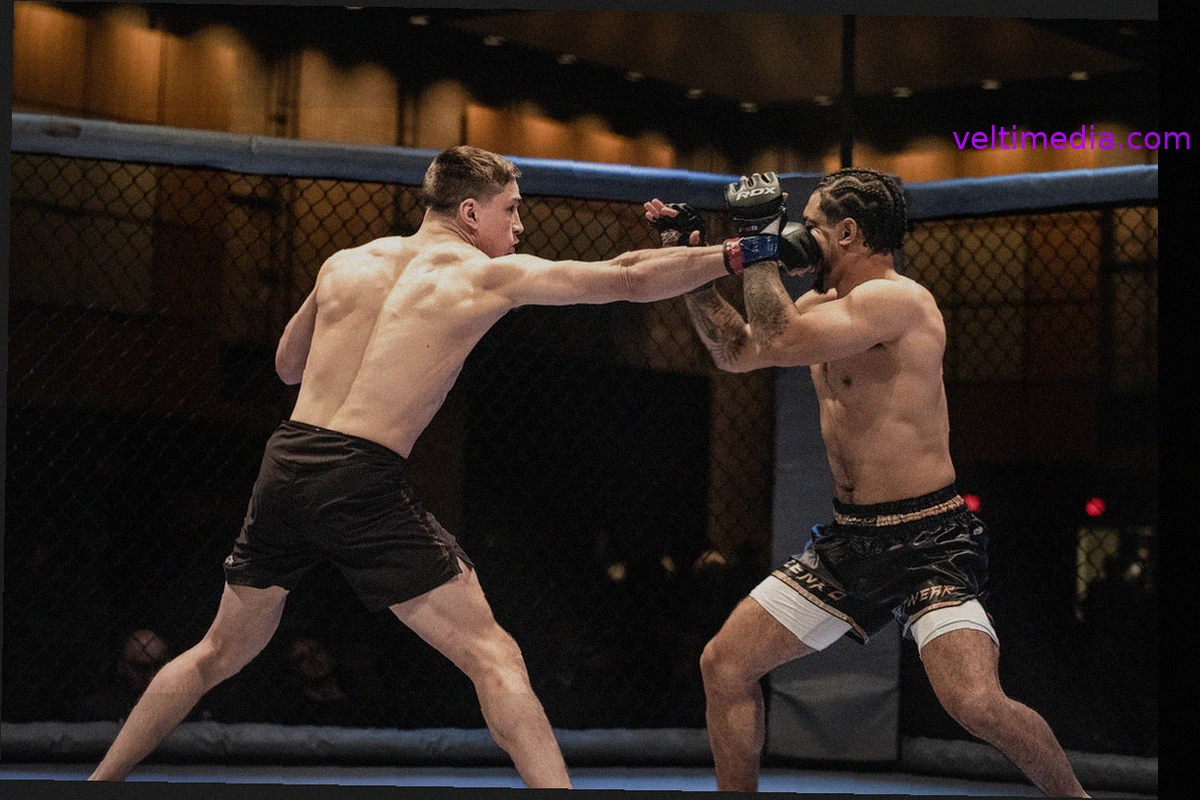
Beyond the UFC: Legal Ways to Watch Regional MMA
Many UFC champions honed their skills in smaller venues before reaching the pinnacle of the sport. These regional promotions, often held in less glamorous settings, are where future stars build their careers. For dedicated fans, following these leagues offers a chance to discover talent years

Solomon Renfro Arrested for Alleged Assault in New York
New York-based mixed martial artist Solomon Renfro, 29, was apprehended on Sunday after reportedly assaulting a 22-year-old woman. Police responded to a call at 47 Madison Street in Chinatown early Sunday morning, finding the victim with visible injuries including scratches and bruises on her c